The Duty of Light Weight Aluminum Foundries in Progressing Lightweight Manufacturing Solutions
Light weight aluminum foundries greatly add to the evolution of lightweight production remedies. Their ingenious spreading technologies generate high-strength, light-weight components vital for sectors like auto and aerospace. This innovation not just boosts product efficiency yet additionally promotes sustainability through using recycled products. As these foundries adjust to arising innovations and practices, they lead the way for future advancements in making efficiency and ecological responsibility. What lies ahead in this transformative trip?
The Advantages of Lightweight Materials in Manufacturing
As industries increasingly seek effectiveness and sustainability, the fostering of light-weight products in manufacturing has become a necessary method - Aluminum Casting Company. These products, especially aluminum and composites, use countless benefits that enhance manufacturing procedures and product efficiency. Mostly, their lowered weight adds to lower energy consumption throughout transport and operation, causing considerable price savings
Moreover, light-weight materials facilitate the style of more facility geometries, enabling higher technology in product advancement. This versatility commonly causes boosted performance and efficiency, accommodating the evolving demands of modern customers.
Furthermore, making use of lightweight products can boost the durability of items because of their resistance to corrosion and tiredness. This resilience not just reduces upkeep costs yet additionally supports sustainability initiatives, as longer-lasting products add to less waste. To sum up, the advantages of light-weight materials are crucial in driving efficiency, technology, and environmental responsibility in production.
Innovations in Light Weight Aluminum Casting Technologies
Current improvements in aluminum casting innovations are changing the production landscape, specifically in the manufacturing of lightweight elements. Technologies such as high-pressure die spreading and vacuum pass away spreading have considerably boosted the accuracy and surface finish of aluminum parts - Aluminum Casting Company. These approaches enable the production of intricate geometries while minimizing material waste and enhancing mechanical residential or commercial properties
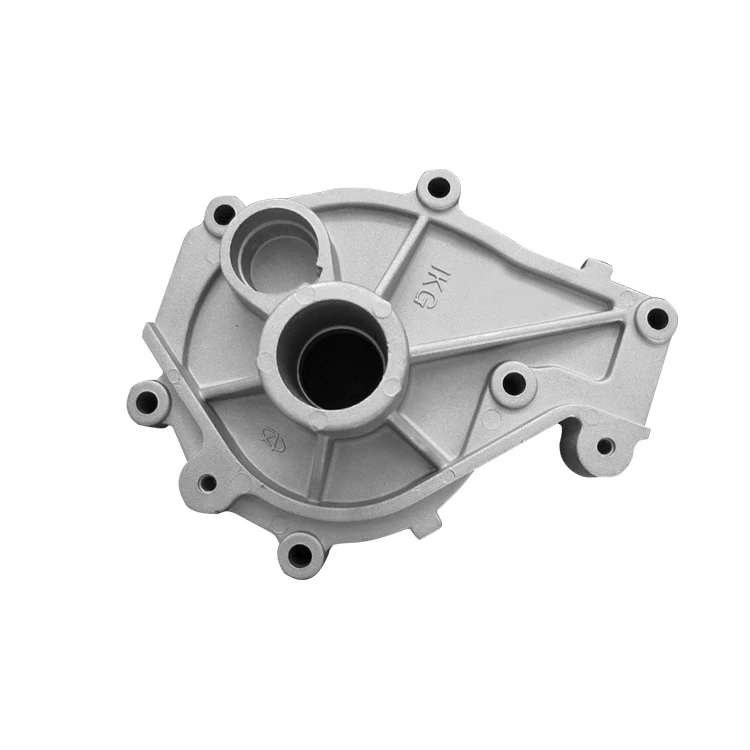
Additionally, the execution of real-time surveillance systems assures quality assurance throughout the spreading procedure, leading to even more constant item results. Jointly, these innovations not just improve the performance of aluminum elements yet likewise sustain the industry's shift in the direction of even more sustainable production methods.
Applications of Light Weight Aluminum Components in Different Industries
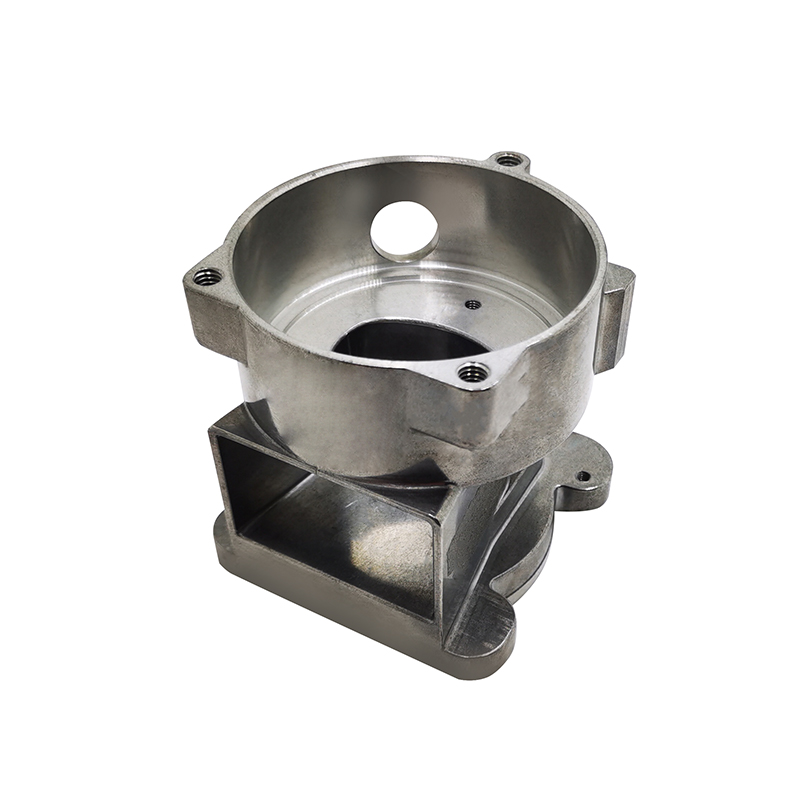
While light weight aluminum elements have actually long been utilized in numerous sectors, their convenience and lightweight buildings remain to drive cutting-edge applications throughout industries such as vehicle, aerospace, and building. In the auto industry, aluminum is progressively made use of for engine blocks, wheels, and body panels, boosting gas performance and efficiency. Aerospace producers leverage light weight aluminum for aircraft frameworks and parts, profiting from its strength-to-weight ratio to enhance gas economic situation and payload capability.
In the building market, light weight aluminum is favored for home window frameworks, roofing, and architectural elements, giving durability and resistance to deterioration while minimizing general structure weight. Additionally, the electric and electronic devices sectors benefit from light weight aluminum's conductivity and light-weight nature, utilizing it in electrical wiring, units, and warm sinks. These varied applications highlight the vital duty of aluminum elements, which not just meet market demands however likewise add to improvements in product style and capability throughout several areas.
Sustainability and Energy Effectiveness in Aluminum Foundries
The aluminum shop market plays an essential duty in advertising sustainability and power performance, specifically as need for light-weight components continues to grow throughout various sectors. Factories are significantly adopting eco-friendly techniques, such as utilizing recycled light weight aluminum, which substantially lowers power intake and greenhouse gas discharges compared to here are the findings key aluminum production.
Innovations in casting modern technologies boost power effectiveness by optimizing the melting procedures and lowering waste. Techniques like die casting and financial investment casting enable exact product usage, reducing excess and scrap.
In addition, many factories are purchasing sustainable energy sources to power operations, additionally reducing their carbon impact. Applying power administration systems makes it possible for factories to improve and check energy use, guaranteeing they operate at peak performance.
Future Trends in Lightweight Production Solutions
Just how will arising technologies form the future of light-weight manufacturing options? Innovations such as advanced materials, automation, and additive production are you could try this out established to redefine manufacturing procedures. The combination of clever production modern technologies, consisting of the Web of Things (IoT) and fabricated intelligence (AI), will certainly enable real-time surveillance and optimization, boosting performance and minimizing waste.
As sustainability remains to be an extremely important concern, light-weight options will significantly concentrate on recycling and recycling products, lining up with circular economy concepts. This advancement in light-weight manufacturing will not just improve product performance however additionally contribute to environmental goals, making sure that the industry continues to be affordable in a quickly transforming market landscape.
Frequently Asked Concerns
How Do Aluminum Foundries Guarantee Quality Assurance in Production?
Aluminum foundries ensure high quality control in manufacturing via strenuous screening, standard treatments, and constant monitoring - Aluminum Foundry. They execute sophisticated technologies and competent employees to keep consistency, minimize go to this web-site issues, and satisfy industry requirements throughout the manufacturing procedure
What Are the Main Challenges Dealt With by Aluminum Foundries?
Light weight aluminum shops encounter challenges such as rising and fall raw material expenses, maintaining manufacturing performance, making sure regular high quality, adjusting to technical developments, and meeting environmental policies, every one of which influence their total functional effectiveness and competitiveness out there.
Just How Does Aluminum Recycling Effect Factory Procedures?
Aluminum reusing considerably enhances foundry procedures by lowering resources prices, minimizing power intake, and lowering environmental impact. This sustainable technique allows shops to improve effectiveness while meeting boosting need for lightweight, high-performance aluminum items.
What Skills Are Required for Employees in Light Weight Aluminum Foundries?
Workers in aluminum factories call for skills in metallurgy, machining, quality assurance, and safety and security methods. Proficiency in operating equipment, recognizing alloy properties, and analytical are likewise necessary for efficient production and preserving high safety and security criteria.
Just How Do Light Weight Aluminum Foundries Take Care Of Waste Monitoring?
Aluminum shops handle waste with recycling scrap metal, making use of effective waste partition techniques, and adhering to environmental policies. They implement sustainable methods to lessen landfill contributions, making sure that harmful products are disposed of sensibly.
Aluminum foundries substantially contribute to the development of light-weight production remedies. Current advancements in light weight aluminum spreading technologies are reinventing the production landscape, especially in the manufacturing of lightweight components. While light weight aluminum components have long been utilized in different sectors, their adaptability and light-weight buildings proceed to drive cutting-edge applications throughout fields such as automotive, aerospace, and construction. Additionally, the electric and electronic devices industries profit from light weight aluminum's conductivity and light-weight nature, using it in electrical wiring, rooms, and warm sinks. The light weight aluminum factory industry plays an important function in promoting sustainability and energy efficiency, especially as need for light-weight parts continues to expand across different industries.